Where Monaco Meets Santa Cruz
Tarifa – “Hang Loose,” Spain’s Answer to Santa Cruz
Every year, when snow becomes scarce on the peaks of Europe’s mountains, the “ski bums” pack their Vans to bursting point and head south—actually all the way to the southern tip of Andalusia. Here they join the stream of kite- and windsurfers from across Europe who, from the very beginning of the early spring months, are drawn by the conditions that are so ideal for them.
Text: Steen Broford – Photos: Jimmy Lund
Because it is here—where the waves and winds of the Atlantic collide with the Mediterranean at the narrowest point of the Strait of Gibraltar, just 15 km from the African coast—that not only some very special wind conditions arise, but also many large waves. Add to this cocktail miles of some of Spain’s best white sand beaches, and you have the explanation for why Tarifa is the European capital of kite- and windsurfing.
Its location, as the southernmost town on continental Europe, also explains part of Tarifa’s once highly changeable history.
The small fishing town served as the bridgehead for the Moorish invasion of southern Spain in the 8th century and remained under Moorish rule until Sancho El Bravo reconquered the city in 1295. And although most of the town one experiences today was built in the 18th century, the Moorish presence still clearly shines through.
But it was a very different kind of “invasion” that helped shape the town’s development into its current status. In the late 1960s, Tarifa and the neighboring town of Bolonia became the final stop for many of the era’s flower children on their pilgrimage to Morocco. Some of those who today would be described as senior hippies are now, together with a new generation that largely shares their values, helping to shape the city’s life and the selection found in shops and restaurants.
And it is precisely this combination of hippie culture and surfer life that permeates the entire area and has helped give it its own distinctive character and unique hang-loose style. In recent years, this atmosphere has increasingly attracted a whole new group of visitors—Spanish as well as other young Europeans—who want to play luxury hippies on their holiday. They enjoy the many party opportunities and being in a place where it is more about dressing down than dressing up.
Surfers’ Paradise
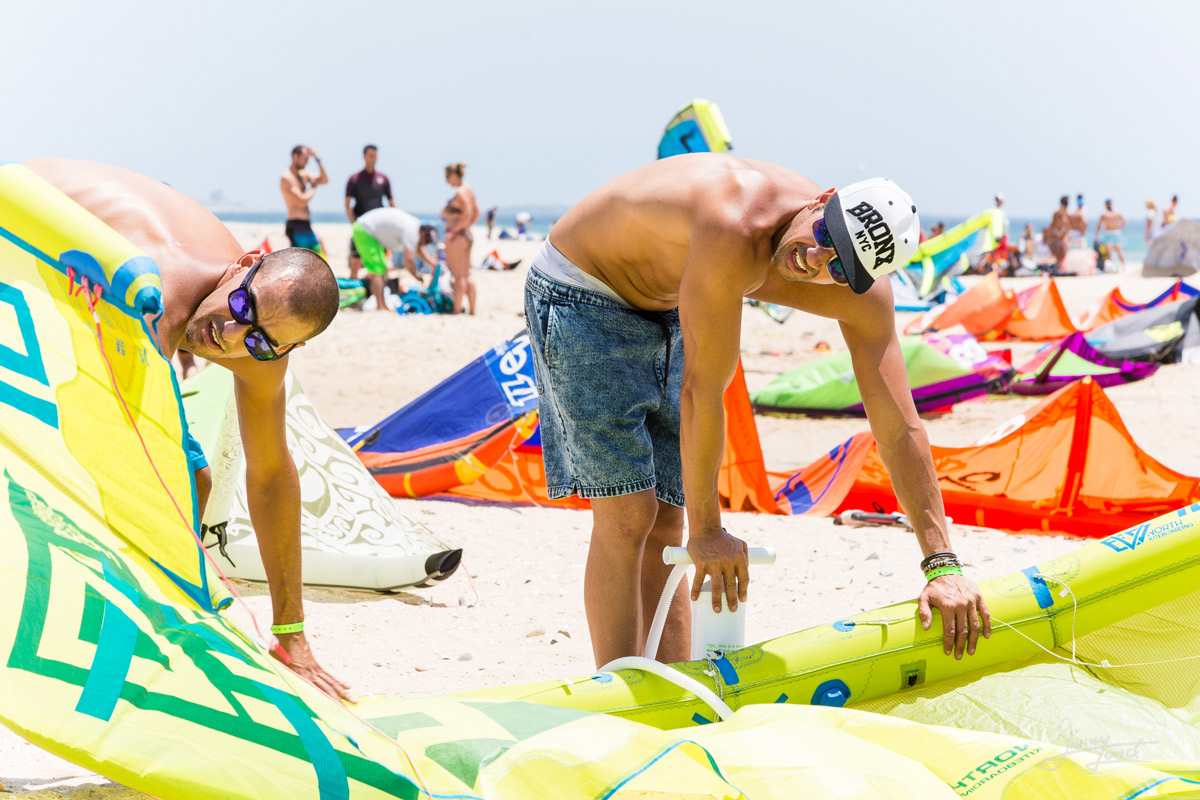
It is not only the elite who are drawn by the perfect conditions and the many national and international competitions held here throughout the season. Unlike when the first kitesurfers appeared in Tarifa 15 years ago—when kitesurfing was considered risky and unsafe—the sport has today become quite safe. As a result, many newcomers choose Tarifa to test their skills. There are plenty of places offering instruction in both kite- and windsurfing, as well as ample opportunities to rent or buy equipment. In fact, there is an entire street in town that consists almost exclusively of surf-gear shops.
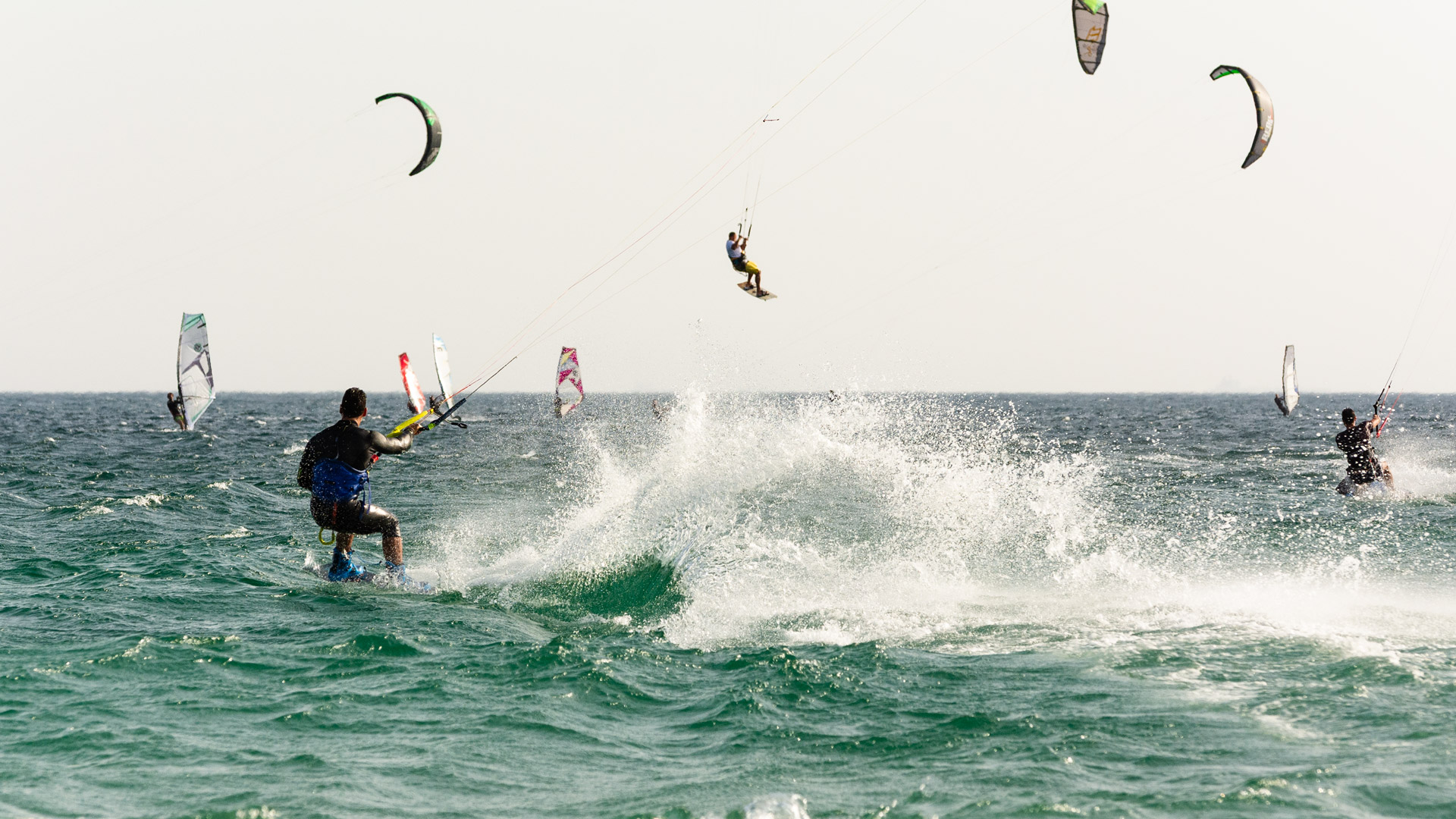
Standing on the beach and watching the many kites in the air, it is easy to understand why kitesurfing is said to be the ultimate cocktail of freedom. Today it has become so widespread that even 70-year-olds can be seen gliding over the waves. It is easy to get started, and the only prerequisites are a certain level of technique and good swimming skills.
Watching the scene at sea, one cannot help but admire those who throw themselves into the adventure at their own level. Some deserve admiration simply for their courage to try, and the same feeling arises each time one sees how experienced surfers, at high speed and with great technical control, park their boards directly in the sand after a run through the waves.
Where Monaco Meets Santa Cruz
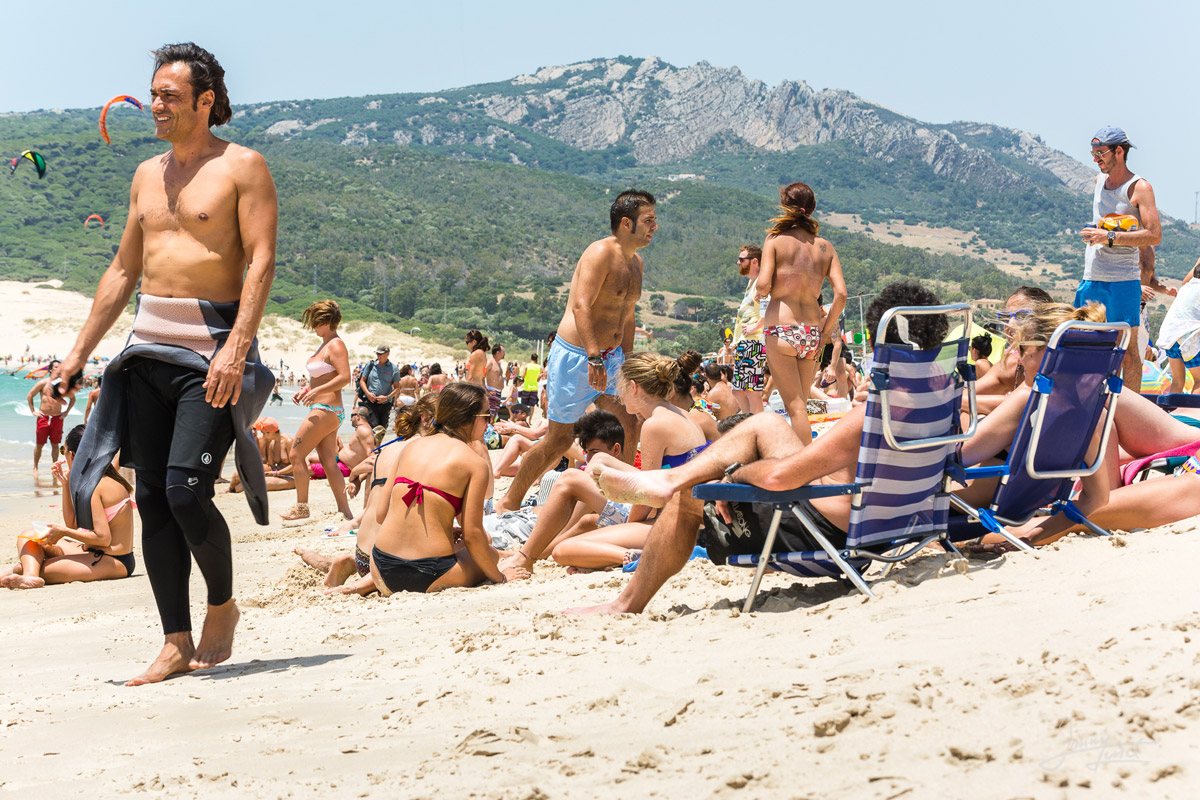
Especially on weekends, the many surfers put their own unmistakable stamp on the beach. It is, quite simply, one big hippie-chic party zone with endless rows of beach bars playing either mellow lounge music or louder tones from live bands.
From the kilometers of sandy beaches, on a cloudless day, there is a direct view of the African coast. And when walking along the beach on a hot summer day, the sweet smoke drifting from clusters of surfers confirms that the town is also the first destination when hashish enters Europe from Morocco.
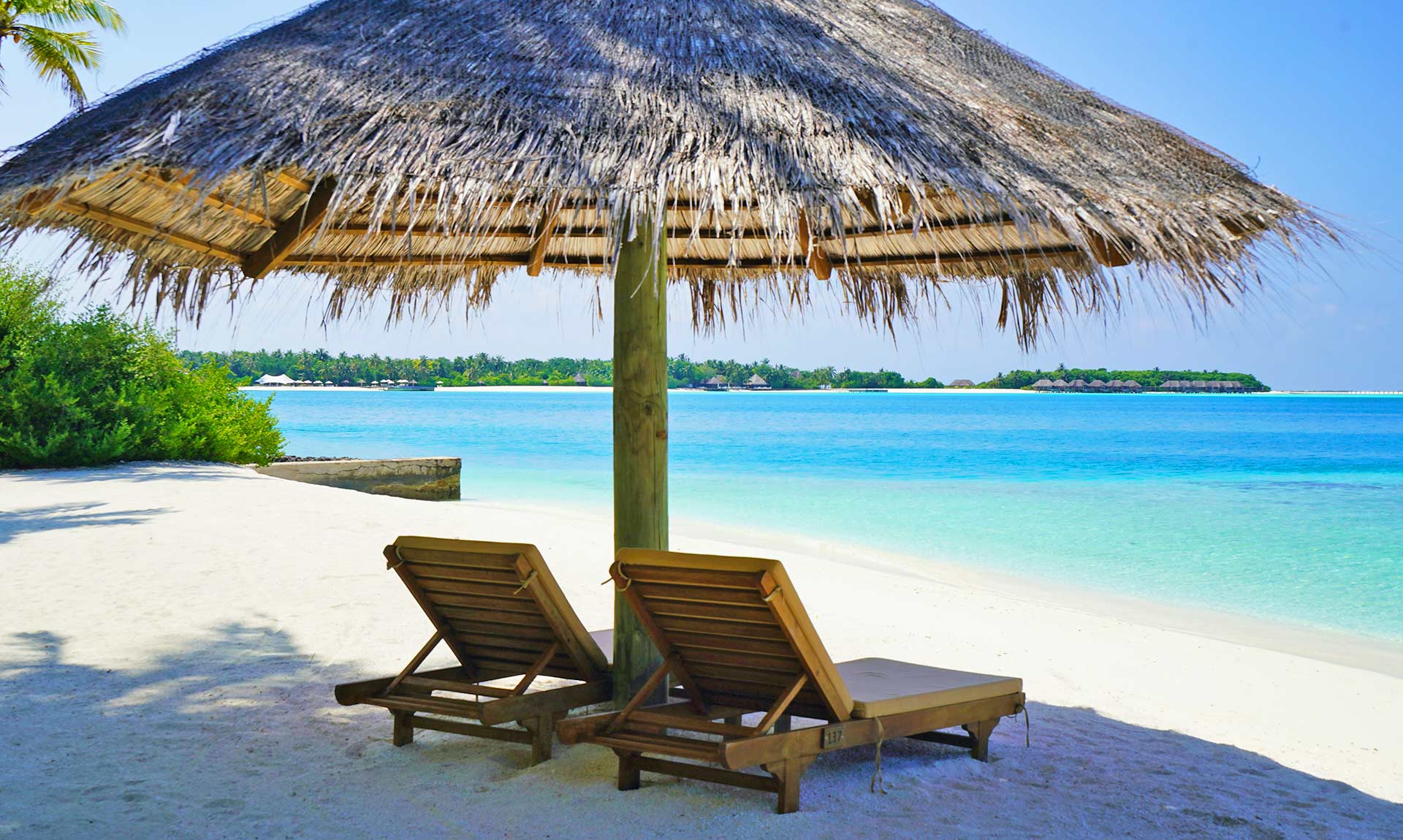
A day at, for example, the largest of the area’s five beaches—Valdevaqueros, which stretches over more than 4 km—almost invites you to simply observe the many different types of people who each day turn this beach into a small circus performance. The water is crystal clear, and zoning ensures that swimmers and surfboards do not collide.
It is a very good idea to bring a windbreak if you plan to spend a full day at the beach. The wind that makes the area attractive to surfers—and which, even on days with temperatures in the high 30s Celsius, provides enough airflow to make the stay bearable—naturally also lifts the sand. Without a bit of shelter, a full day on the beach can quickly feel like involuntary skin exfoliation, especially on the lower legs.
If you dream of galloping on horseback along the beach or through the dunes with the wind in your hair and the sound of the waves as accompaniment, there are plenty of opportunities for that as well. Horses can be rented from several stables along the road to Punta or from the Hipica Center at the stylish Hurricane Hotel. The mountains behind the coast also offer several opportunities for horseback adventures.
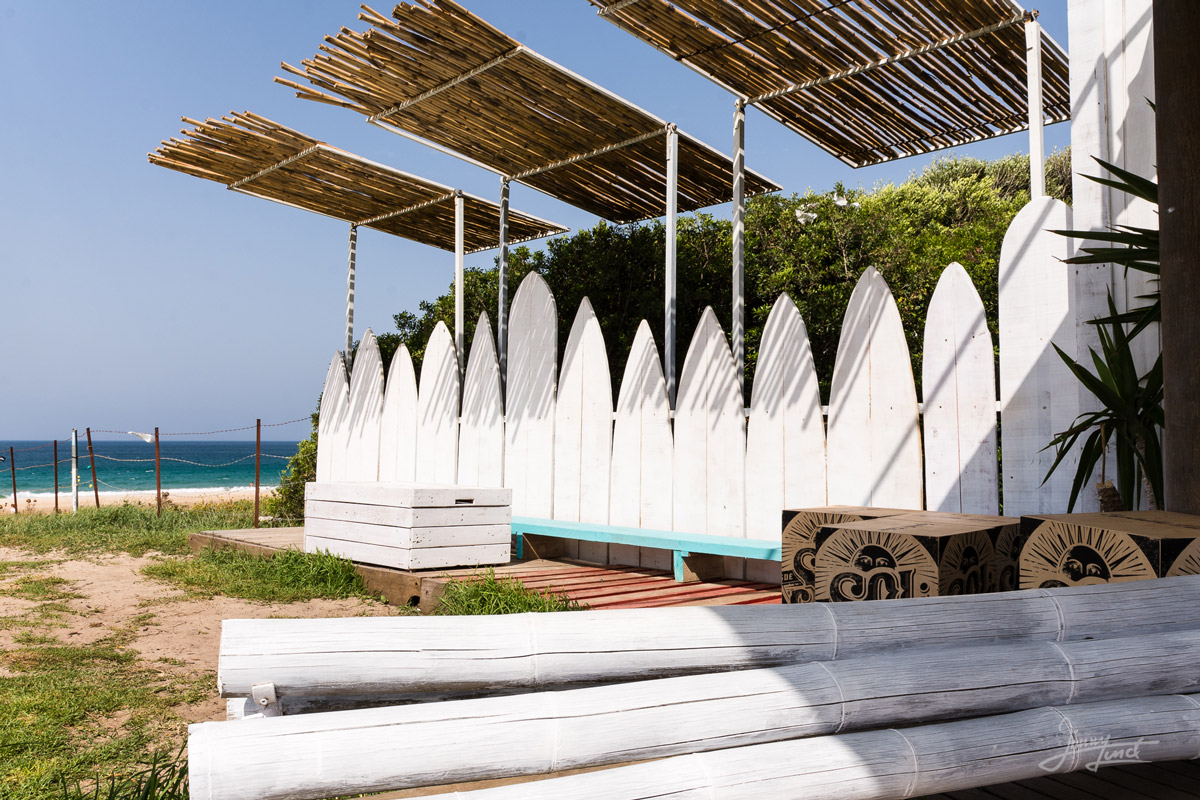
Climbing the large wooden staircases from the beach into the dunes reveals an entirely new world. Here you’ll find a wealth of restaurants and beach bars. Gucci sunglasses and Prada bags mix effortlessly with sun-tanned leather skin and cut-off cowboy shorts in a unique atmosphere that is laid-back and informal—best described as a fusion of Hornbæk meeting Christiania. Here, organic is the new black, and in addition to many great opportunities to enjoy that, the local fish is well worth tasting. Tuna in particular, often caught the same day, is a local specialty.
In the high season from June to September, Tarifa has in recent years gained a reputation as a party town among both foreign and Spanish visitors. Already in the late afternoon, a steady stream of mojitos flows across the counters of the many chill-out bars along the beach. A visit to Tumbao, for example, offers an unforgettable sunset with the African continent as a backdrop.
Nightlife
When darkness falls, the party moves from the beach into the old town. As in the rest of Andalusia, the city really comes alive around midnight, leaving plenty of time to enjoy a late dinner at one of the many excellent tapas spots before heading out into the night.
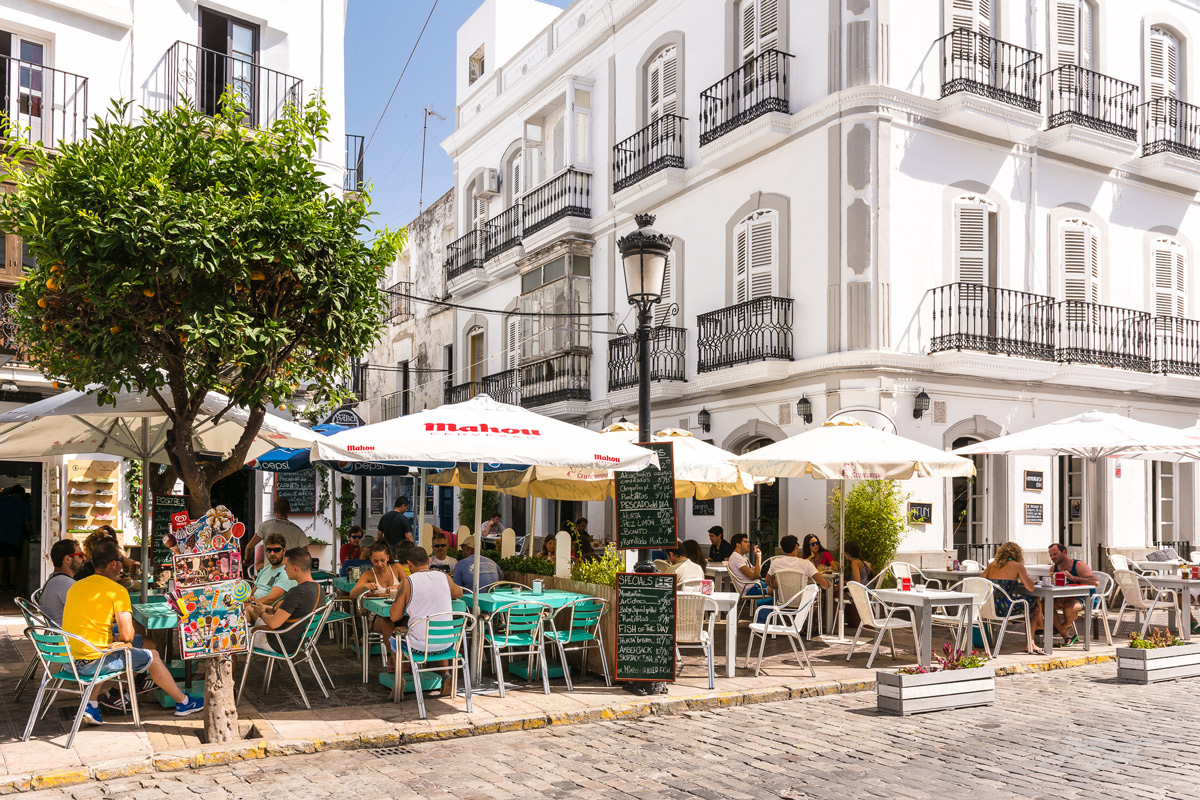
For meat lovers, many small restaurants—at first glance resembling holes in the wall—serve surprisingly good steaks cooked over glowing embers on open grills. Most of the action takes place in the old town, and it is recommended to find a restaurant with outdoor seating, giving you the chance to soak in the atmosphere as happy, party-ready crowds begin streaming through the narrow streets toward midnight.
The night typically begins for younger crowds at bar de copas such as La Onda, Surf Bar, and Taco Way. For the more mature +35 crowd, the extremely popular Venice Cocktail Bar is highly recommended, with a solid reputation for serving world-class gin and tonics. Most bars slowly close between 2 and 3 a.m., after which those into deep house music head to La Ruina, listed in the Spanish newspaper El Mundo’s top 10 clubs in Spain. The final stop for those determined to squeeze the very last bit of partying out of the night is Mombassa, the only place in town licensed to stay open until 7:00 a.m.
Be prepared, however, that when you eventually want to head home, you’ll need plenty of patience. Leaving the inner city on a Saturday night is like walking away from a major rock concert. The sea of people in the narrow alleys is massive, and pushing and shoving are unavoidable—it can be a rather claustrophobic experience.
Shopping
Behind the original and well-preserved city wall, which for centuries protected the town from outsiders, lies the old town. Here, characteristic small white houses are richly decorated with beautiful hanging flower boxes and finely crafted wrought-iron grilles. A stroll through the narrow cobblestone streets offers countless visual delights.
The old town center contains plenty of evidence of its original West African inspiration, and in several of the narrow passages one is left with the feeling of being in Morocco. The small, winding streets practically invite curiosity and exploration. Even a short detour up the smallest, most twisted alley can lead to one of the district’s many small squares with restaurants and live music.
West African influence is also evident in the small, trendy shops selling clothing, jewelry, and handicrafts, clearly reflecting that local designers and artisans have sourced both materials and inspiration from the other side of the Strait of Gibraltar. There are plenty of opportunities to find unique treasures in the many small craft shops.
The town’s status as one of the early hubs of 1960s hippie culture is also reflected on many restaurant menus. While organic food is only slowly gaining ground in the rest of Spain, here there are plenty of options. There is a large organic market and a “Green Center” offering everything from organic skincare to yoga and meditation sessions, as well as an organic restaurant.
It is often said that the difference between a tourist and a traveler lies primarily in how new places are experienced. The tourist visits new places as a break from everyday life and often sticks strictly to predefined attractions that require little effort and efficiently offer a quick glimpse of what a city has to offer. Tarifa, on the other hand, invites exploration in a looser, more adventurous way. Tarifa only reveals its true face if you go with the flow and absorb the many impressions—accompanied by the city’s unique pulse and the many opportunities to enjoy local food and drink along the way.
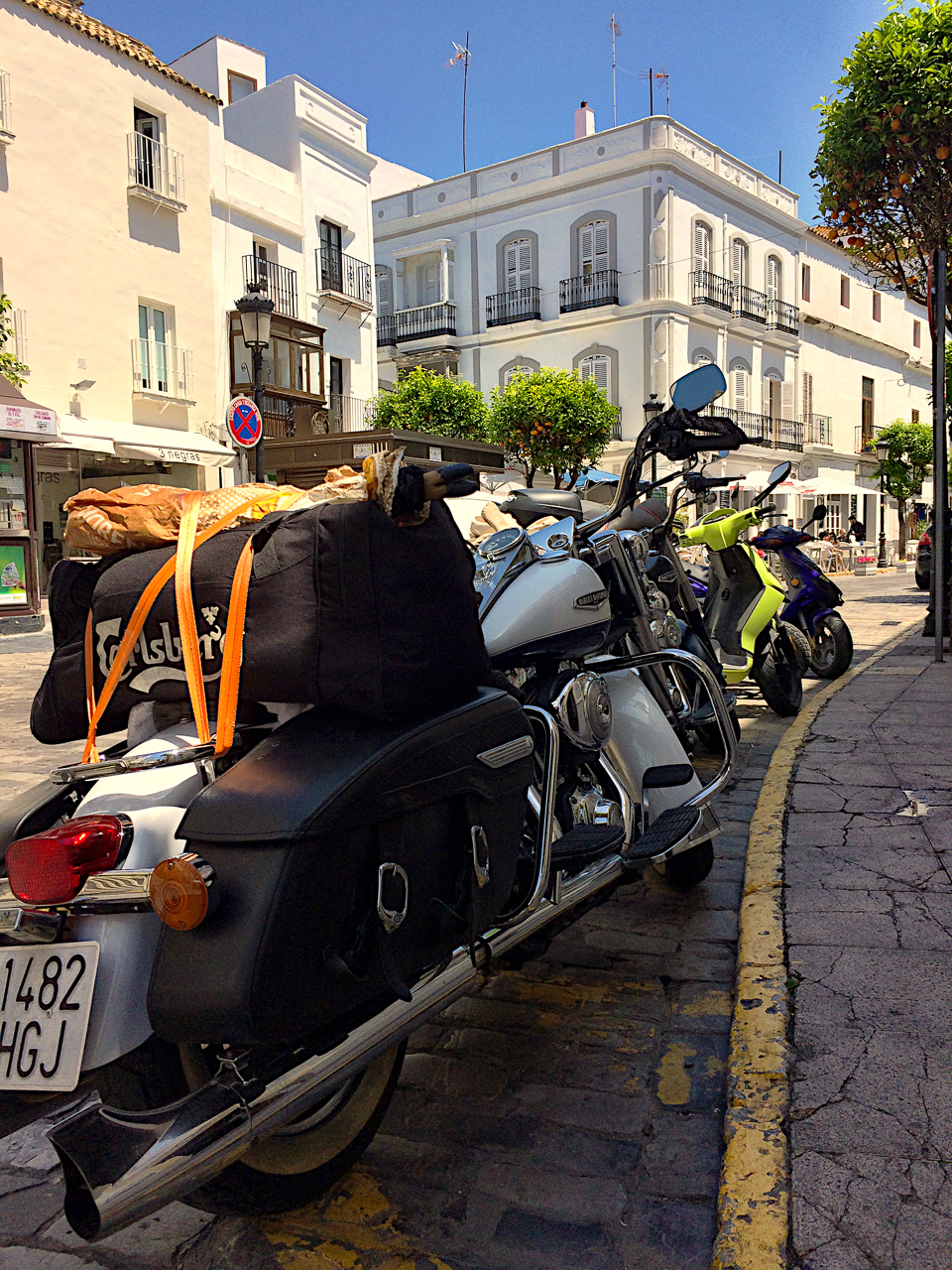
Beyond the surf culture and vibrant nightlife, Tarifa also stands out as a fantastic motorcycle travel destination.
The roads leading to and from the town wind through some of Andalusia’s most spectacular scenery, offering sweeping coastal stretches, fast open curves, and tighter mountain roads inland. Riding between the Atlantic and the Mediterranean, with views toward Africa on clear days, makes Tarifa a natural magnet for motorcyclists looking to combine great riding with a laid-back lifestyle, good food, and unforgettable sunsets at the journey’s end.


latest video

news via inbox
Nulla turp dis cursus. Integer liberos euismod pretium faucibua