Algeciras
The Beating Heart of the Strait of Gibraltar
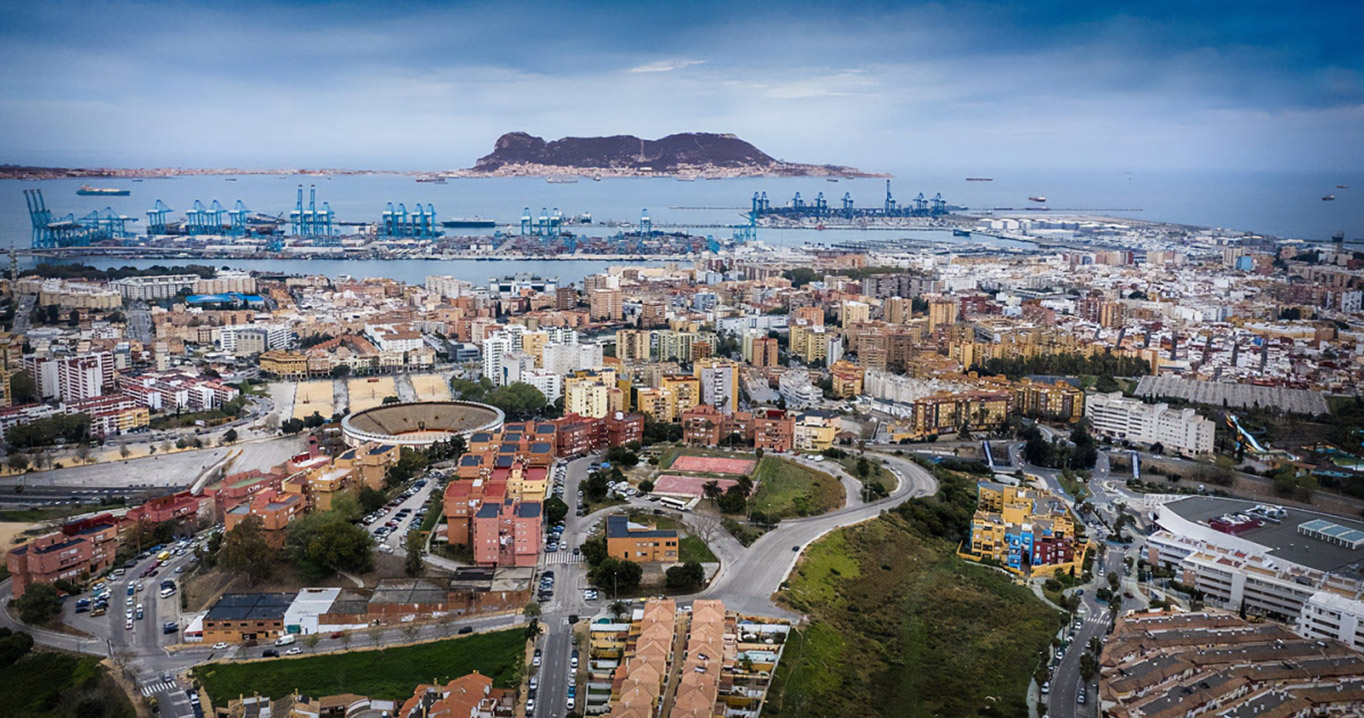
Most travellers only see Algeciras as a quick stopover on their way to Morocco or Gibraltar. They rush through the ferry terminal, grab a coffee, and jump on the next boat. But if you slow down for a day or two, you’ll discover one of Europe’s most important (and surprisingly fascinating) ports: the Port of Algeciras.Welcome to Spain’s southernmost major harbour, the busiest container port in the Mediterranean, and the gateway between two continents.
Where Europe Almost Touches Africa
Stand on the breakwater at Punta del Rodeo and look south. On a clear day you can see the Rif mountains of Morocco just 14 km away. The Strait of Gibraltar is only 8 miles wide at its narrowest point here, and Algeciras sits right in the middle of this historic crossroads.Cargo ships, ferries, fishing boats, and the occasional pod of pilot whales all share the same glittering waterway that Phoenicians, Romans, Moors, and British fleets once fought over.
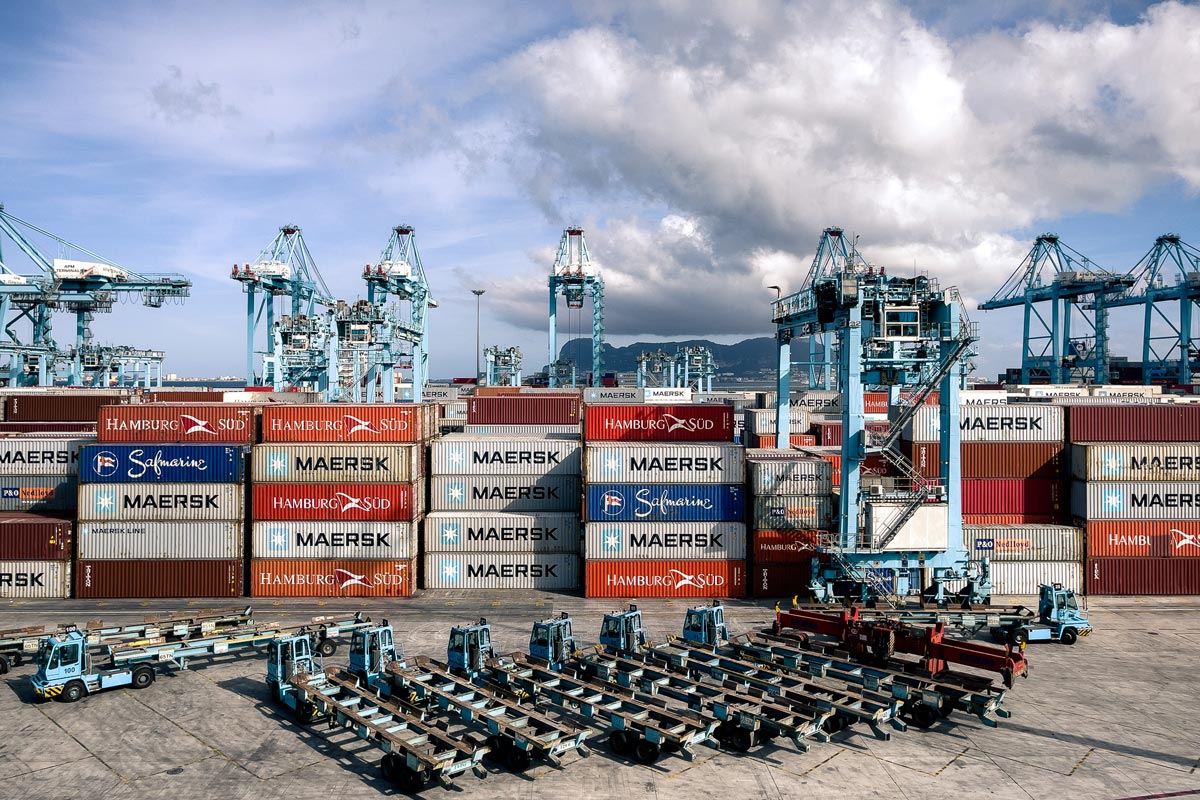
A Port That Never SleepsThe numbers are staggering:
- 5+ million containers moved every year
- Over 5 million passengers on ferries to Tangier Med, Ceuta, and the Canary Islands
- The largest bunkering (ship refuelling) port in the Mediterranean
- Ranked among the top 30 container ports in the world
A Surprisingly Rich History
Long before the container cranes arrived, Algeciras was already famous:
- Founded by the Moors in 713 AD as Al-Jazira Al-Khadra (“The Green Island”)
- Temporary capital of a small Muslim kingdom in the 11th century
- Destroyed in 1369 by Mohammed V of Granada to prevent it falling to Christian forces
- Refounded in 1704 by Spanish refugees fleeing British-occupied Gibraltar
- Host to the 1906 Algeciras Conference that shaped colonial Morocco’s future
You can still see remnants of this layered past: Roman fish-salting factories at El Rinconcillo, Moorish walls in Parque María Cristina, and the elegant 1930s Mercado Ingeniero Torroja with its daring thin-shell concrete roof.
More Than Just a Transit Point
Algeciras may never win beauty contests against Seville or Granada, but that’s part of its appeal. This is real southern Spain: unpolished, hardworking, and proud of it.Next time you’re racing through on your way to Morocco or Gibraltar, consider staying an extra night. Watch the sun set over Africa while sipping a cold beer on the waterfront. Listen to the deep rumble of ship engines and the cries of gulls.You might just fall in love with Europe’s busiest, most underrated harbour.
The Dark Side: Smuggling Central
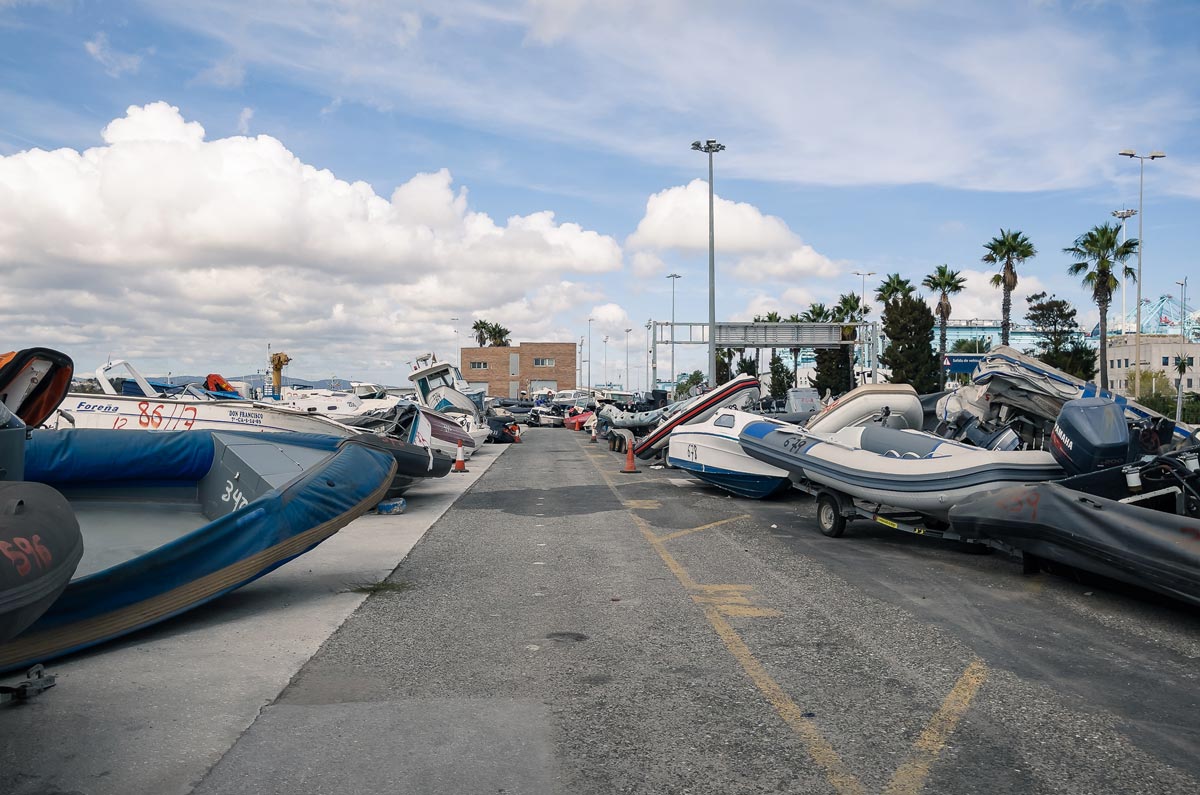
Algeciras has a serious shadow. Its position makes it Europe’s main entry point for hashish from Morocco and, increasingly, South American cocaine hidden in containers or dumped at sea for high-speed pick-ups.Powerful “narco-lanchas” (400–800 hp speedboats) race across the Strait at night, often outrunning police. Shoot-outs, abandoned boats on beaches, and corruption scandals are regular news. In 2024 alone, Spanish authorities seized over 200 tonnes of drugs in the Algeciras area. Locals are tired of the violence and the bad reputation, but the port’s sheer size (more than 100,000 containers a week) makes full control almost impossible.
When Vikings Sailed to Algeciras
The Forgotten Raid on the Strait of Gibraltar
In the summer of 859 AD – almost 1,200 years ago – something unimaginable happened in southern Spain: Viking longships appeared in the Bay of Algeciras.Most of us associate Vikings with Britain, France, or the Baltic, but between 844 and 861 two legendary Norse chieftains, Björn Ironside and Hastein (sometimes written as Hásteinn), led one of the boldest and farthest-ranging expeditions in Viking history. After raiding Seville and the Guadalquivir valley in 844 (the first documented Viking attack on the Iberian Peninsula), they returned fifteen years later for an even more ambitious campaign that took them all the way around Spain, through the Strait of Gibraltar, and into the Mediterranean as far as Egypt and possibly Byzantium.
The Raid on Algeciras (Al-Jazīrah al-Khaḍrāʾ)
In late summer or early autumn 859, a fleet of 62 longships sailed through the Strait and attacked the small but prosperous Muslim port-city of Al-Jazīrah al-Khaḍrāʾ – “The Green Island” – today’s Algeciras.
At the time Algeciras was a flourishing harbour under the Umayyad Emirate of Córdoba. It had shipyards, warehouses full of silk, olive oil, and North African goods, and a fortified medina on the banks of the Río de la Miel.
According to the main Arabic sources (Ibn Idhari, Al-Maqqari and the later chronicles):The Vikings landed suddenly, burned part of the city and the mosque, and sacked the surrounding countryside.
- They took many captives (men, women, and children) to sell later as slaves.
- The governor of Algeciras sent urgent messages to Córdoba, but the Umayyad army was far away campaigning against the Christian north, so the city had to defend itself with local forces.
- After several days of plunder the Vikings loaded their ships and sailed on eastward, attacking the Balearics, the Costa del Sol, and eventually reaching North Africa and the eastern Mediterranean.
- One dramatic detail preserved in the chronicles: among the prisoners taken from Algeciras were “beautiful Andalusi women wearing golden anklets”, later ransomed or sold in Ireland years afterwards.
Archaeological Echoes
No large Viking hoard has been found in Algeciras itself (most loot was carried away), but scattered finds confirm Norse presence in the region:
- A 9th–10th-century Viking sword hilt was discovered in the Guadalquivir.
- Arabic coins from Córdoba minted in the 850s–860s have been found in Scandinavian hoards, almost certainly paid as ransom or taken in raids like the one on Algeciras.
Aftermath and Memory
The 859 raids shocked the Muslim rulers of Al-Andalus. Emir Muhammad, I ordered the construction or reinforcement of coastal watchtowers (the origin of many “torres almenaras” still visible along the Cádiz and Málaga coasts) and created a permanent squadron of warships based in Algeciras and Seville to guard the Strait.
In Scandinavian sagas the expedition is remembered as the “Mediterranean voyage of Björn and Hastein”, though the Arabic sources are far more detailed about the Algeciras episode than the later Norse ones.
Today the event is almost forgotten locally – there’s no museum display or plaque in Algeciras mentioning the Vikings – but it remains one of the most extraordinary moments in the city’s long history: the day when dragon-prowed ships from the far north turned the calm bay into flames and the Strait of Gibraltar, for a brief moment, became part of the Viking world.



latest video

news via inbox
Nulla turp dis cursus. Integer liberos euismod pretium faucibua